Every year, sky enthusiasts eagerly anticipate one of the most dazzling celestial events—the Perseid Meteor Shower. Known for its bright and numerous meteors, the Perseids light up the night sky, offering a breathtaking spectacle that captivates both amateur stargazers and seasoned astronomers alike. But what exactly is the Perseid Meteor Shower, why does it occur annually, and how can you maximize your chances of seeing it? Let’s dive in.
What Is the Perseid Meteor Shower?
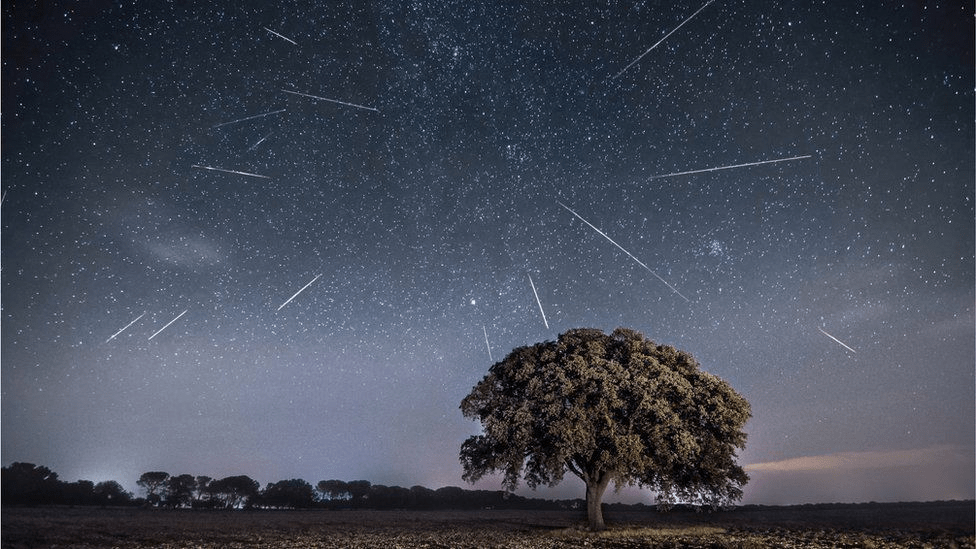
The Perseid Meteor Shower is one of the most famous meteor showers, renowned for its reliability and brilliance. It occurs when Earth passes through the debris left behind by Comet Swift-Tuttle. As these tiny particles enter our planet’s atmosphere at high speeds, they burn up, creating the streaks of light we see as meteors.
The Perseids are named after the constellation Perseus because the meteors appear to radiate from this part of the sky. However, you don’t need to know where Perseus is to enjoy the show—meteors will streak across various parts of the sky.
Why Does It Happen Every Year?
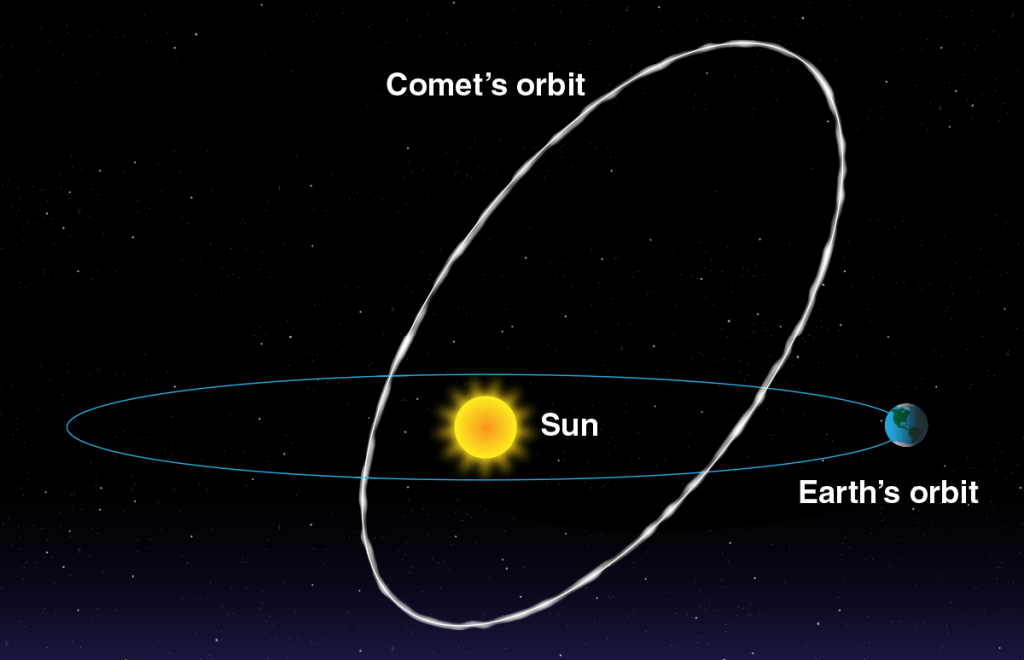
The Perseid Meteor Shower is an annual event due to the regular orbit of Comet Swift-Tuttle around the Sun. The comet, which is about 26 kilometres (16 miles) wide, takes approximately 133 years to complete its orbit. Each time it nears the Sun, it heats up and sheds dust and small particles, leaving a trail of debris in its wake.
Earth crosses this trail every year between mid-July and late August. When this happens, the particles from the comet collide with our atmosphere, producing the meteor shower. The peak, when the most meteors can be seen, typically occurs around August 11-13 each year.
How to Best Experience the Perseid Meteor Shower
Witnessing the Perseid Meteor Shower can be an awe-inspiring experience if you know when and how to watch. Here are some tips to help you get the most out of this celestial event:
- Choose the Right Time: The Perseid Meteor Shower peaks around August 11-13, but meteors can be seen from mid-July to late August. The best time to view the shower is during the pre-dawn hours when the sky is darkest, and your location on Earth is facing the direction of the incoming meteors.
- Find a Dark Sky Location: Light pollution from cities and towns can drastically reduce the number of meteors you see. To get the best view, find a location far from city lights—national parks, rural areas, or designated dark sky parks are ideal.
- Give Your Eyes Time to Adjust: It takes about 20-30 minutes for your eyes to fully adjust to the dark. Arrive at your viewing spot early and avoid looking at your phone or other bright lights.
- Lay Back and Relax: Bring a reclining chair, blanket, or mat to lie on. This allows you to comfortably gaze at the sky without straining your neck. The meteors can appear anywhere in the sky, so lying flat offers the widest view.
- Check the Moon Phase: A bright moon can wash out many meteors, so it’s best to view the shower when the moon is new or in its crescent phase. If the moon is full or nearly full during the peak, you may want to adjust your viewing time to when the moon has set.
- Bring the Essentials: August nights can be chilly, so dress warmly or bring blankets. Snacks, water, and a thermos of hot coffee or tea can make your experience more comfortable. Consider using a red flashlight to preserve your night vision if you need light.
- Be Patient: Meteor showers are natural events, and their activity can vary. Be patient, settle in, and enjoy the night sky. You might see a flurry of meteors at times, followed by a lull, so stick around for at least an hour to catch the best of the show.
Final Thoughts
The Perseid Meteor Shower is one of nature’s most accessible and spectacular displays. Whether you’re an experienced stargazer or just curious about the night sky, this annual event offers a perfect opportunity to connect with the cosmos. By planning ahead and following these tips, you can ensure a memorable experience under the stars. So, mark your calendar, gather your gear, and get ready to be awed by the beauty of the Perseid Meteor Shower.



 Diverse Domain
Leave a comment