When you think about health and wellness, you probably imagine a balanced diet, regular exercise, and a good night’s sleep. But there’s another crucial aspect of your well-being that’s often overlooked: your microbiome. This invisible ecosystem, teeming with trillions of microorganisms, plays a pivotal role in keeping your body healthy. Let’s delve into what the microbiome is and how it impacts your overall health.
What is the Microbiome?
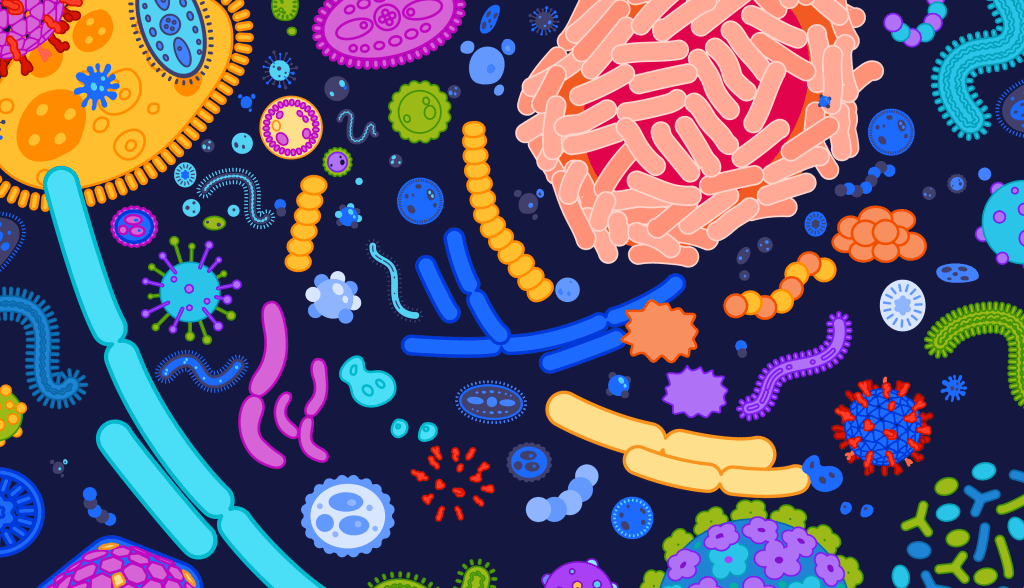
The microbiome refers to the collection of microorganisms—bacteria, viruses, fungi, and other tiny life forms—that live on and inside your body. The majority of these microorganisms reside in your gut, particularly in the large intestine, but they are also found on your skin, in your mouth, and in other parts of your body. In fact, the number of microbial cells in your body is estimated to outnumber your human cells by about ten to one. But don’t worry—most of these microbes are beneficial, or at the very least, harmless.
Your microbiome is as unique as your fingerprint, shaped by factors such as your genetics, diet, environment, and lifestyle. From birth, when you first acquire your microbiome through the birth canal, breast milk, and your environment, it continues to evolve and adapt throughout your life.
The Microbiome and Your Health
The microbiome is not just a passive collection of microorganisms; it’s an active and essential player in your body’s functions. Here’s how it contributes to your overall health:
- Digestive Health: One of the most well-known roles of the gut microbiome is in digestion. The microbes in your gut help break down complex carbohydrates, fibers, and other compounds that your body can’t digest on its own. They produce short-chain fatty acids (SCFAs), which are important for colon health and provide energy for your cells.
- Immune System Regulation: The gut microbiome is a key component of your immune system. It helps train your immune cells to distinguish between harmful invaders and harmless substances, reducing the risk of allergies and autoimmune diseases. A balanced microbiome supports a robust immune response, helping to prevent infections and inflammation.
- Mental Health and Brain Function: The gut and brain are connected through what is known as the gut-brain axis. The microbiome produces neurotransmitters like serotonin, which affect mood, cognition, and mental health. Emerging research suggests that an imbalanced microbiome may be linked to mental health conditions such as anxiety, depression, and even neurodegenerative diseases.
- Metabolism and Weight Management: Your microbiome plays a role in how your body processes and stores fat. Certain bacteria can influence your metabolism, affect your appetite, and contribute to weight gain or loss. Studies have shown that the diversity of gut bacteria differs between lean and obese individuals, highlighting the microbiome’s influence on weight management.
- Skin Health: The microbiome on your skin protects against harmful pathogens, regulates inflammation, and helps maintain the skin’s barrier function. Disruptions to the skin microbiome can lead to conditions like acne, eczema, and other skin disorders.
- Chronic Diseases: An unhealthy or imbalanced microbiome, known as dysbiosis, has been linked to a range of chronic diseases, including obesity, type 2 diabetes, cardiovascular disease, and certain types of cancer. Maintaining a healthy microbiome is crucial for preventing these conditions and promoting long-term health.
How to Support a Healthy Microbiome
Maintaining a balanced and diverse microbiome is essential for your overall health. Here are some tips to support your microbiome:
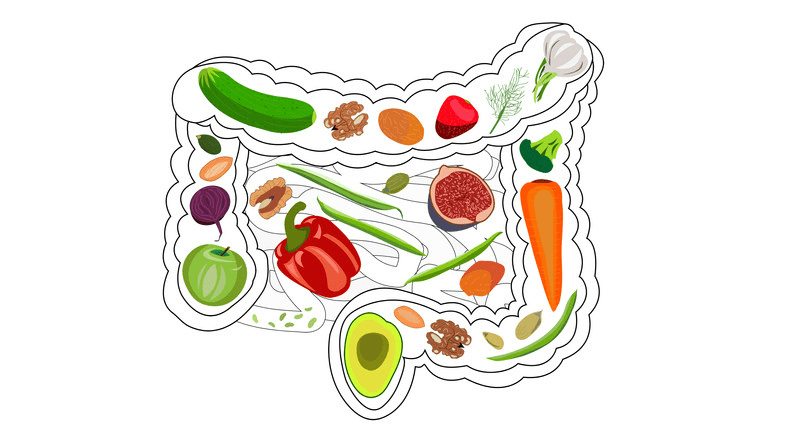
- Eat a Diverse Diet: A varied diet rich in fruits, vegetables, whole grains, and fermented foods (like yogurt, kefir, sauerkraut, and kimchi) promotes a diverse microbiome. Different foods provide different types of fiber and nutrients that feed various beneficial microbes.
- Limit Processed Foods and Sugar: Processed foods and high sugar intake can feed harmful bacteria and fungi, leading to dysbiosis. Opt for whole, minimally processed foods whenever possible.
- Exercise Regularly: Physical activity has been shown to increase the diversity of the gut microbiome, which is associated with better overall health.
- Manage Stress: Chronic stress can negatively affect your gut health and microbiome balance. Practices like meditation, deep breathing, and yoga can help reduce stress levels.
- Avoid Unnecessary Antibiotics: While antibiotics are sometimes necessary, they can also wipe out beneficial bacteria in your microbiome. Use antibiotics only when prescribed by a healthcare professional, and consider taking probiotics during and after antibiotic treatment to help restore your gut flora.
- Get Enough Sleep: Quality sleep is crucial for overall health, including the health of your microbiome. Aim for 7-9 hours of sleep per night to support your body’s natural rhythms.
Conclusion
Your microbiome is an integral part of your health, influencing everything from digestion and immunity to mood and weight. By understanding and nurturing this microscopic world inside you, you can enhance your well-being and protect against a wide range of health issues. So, next time you think about your health, remember to take care of your microbiome—those trillions of tiny allies working hard to keep you healthy.



 Diverse Domain
Leave a comment